Switchboard upgrades
Switchboard upgrades in Point Chevalier
A board of ceramic fuses and fuse wire did its job for decades. We replace them with modern switchboards, circuit breakers and RCD protection, and have the work inspected where the law says it must be.
Signs your board is ready to go
Whether a Point Chev house from the 1930s or 1940s still has its first switchboard depends on what has been done to it since, and the quickest way to find out is to open the cover. If you see porcelain fuse carriers with fuse wire inside, the board is from an older era of electrical work, and the cable behind it may be just as old.
Fuses still work, but they ask a lot of the person changing them in the dark. A blown fuse has to be rewired with wire of exactly the right rating, and WorkSafe warns that fitting a heavier fuse wire, or anything else, to stop it blowing can start a fire. A circuit breaker simply switches back on. WorkSafe's own advice is to replace fuses with plug-in circuit breakers of the same rating where possible, because they are safer to use.
Other signs that a board has had its day: no labels, so nobody knows which fuse runs the kitchen; a board crammed with additions; scorch marks or a warm smell; or a renovation that needs more circuits than the board has room for. If the fuses are old, the cable may be too, and our rewiring page explains how we check it.
What a new board gives you
Why switchboard work is inspected
Some switchboard work is high-risk prescribed electrical work. The Electrical Workers Registration Board explains when work needs an inspection: mains work, including connecting the mains at the main switchboard and the main earth, is high-risk, and so is installing a higher capacity board for increased use or moving a board in a way that extends, joints or reroutes the mains. That work must be inspected by a licensed electrical inspector. Repairing or replacing a damaged fitting on existing mains work, on the other hand, is low-risk and needs no inspection.
It is the electrician's job to arrange the inspection, not yours. We arrange a licensed electrical inspector whenever the work calls for one, and you receive the inspection record together with the certificate for our work.
Meter boxes on a peninsula
Point Chevalier is a peninsula, and many of its streets run down to the water. BRANZ notes that in coastal areas PVC-U, fibreglass or stainless steel meter boxes are the best choice, so if your meter box is corroded metal it is worth replacing at the same time as the board. The meter inside is the responsibility of your electricity retailer, not yours, so a meter change is arranged through them.
If the switchboard is not the problem and something keeps tripping or blowing, start with fault finding instead.
Switchboard questions
Will the power be off while the board is replaced?
Yes, for part of the job. The supply has to be isolated to change a board safely. We tell you beforehand roughly what to expect, so fridges, freezers and anything else you rely on can be planned around.
Does every board replacement need an inspection?
No. A higher capacity board, a board that is moved with changes to the mains, and any mains work need one. A straight repair of a damaged fitting does not. We tell you which applies before we start.
We want a heat pump. Will the old board cope?
A heat pump goes on an existing circuit with enough spare capacity or on a dedicated circuit of its own, depending on its power rating and the wiring. If the board has no room for a new circuit, or is still on fuses, it is sensible to upgrade it first. See our heat pump installation page for the rest of that job.
Can the board be moved somewhere more convenient?
Often, yes. BRANZ suggests a board sits where it is easy to reach in an emergency, between 1.2 and 2.9 metres above the floor, and not under the stairs. Moving a board in a way that extends, joints or reroutes the mains is high-risk work, so it is inspected.
Can you just swap the fuses for breakers?
On some boards plug-in circuit breakers can replace fuses of the same rating, which WorkSafe recommends where possible. Whether that suits your board depends on its age and condition, which we check first.
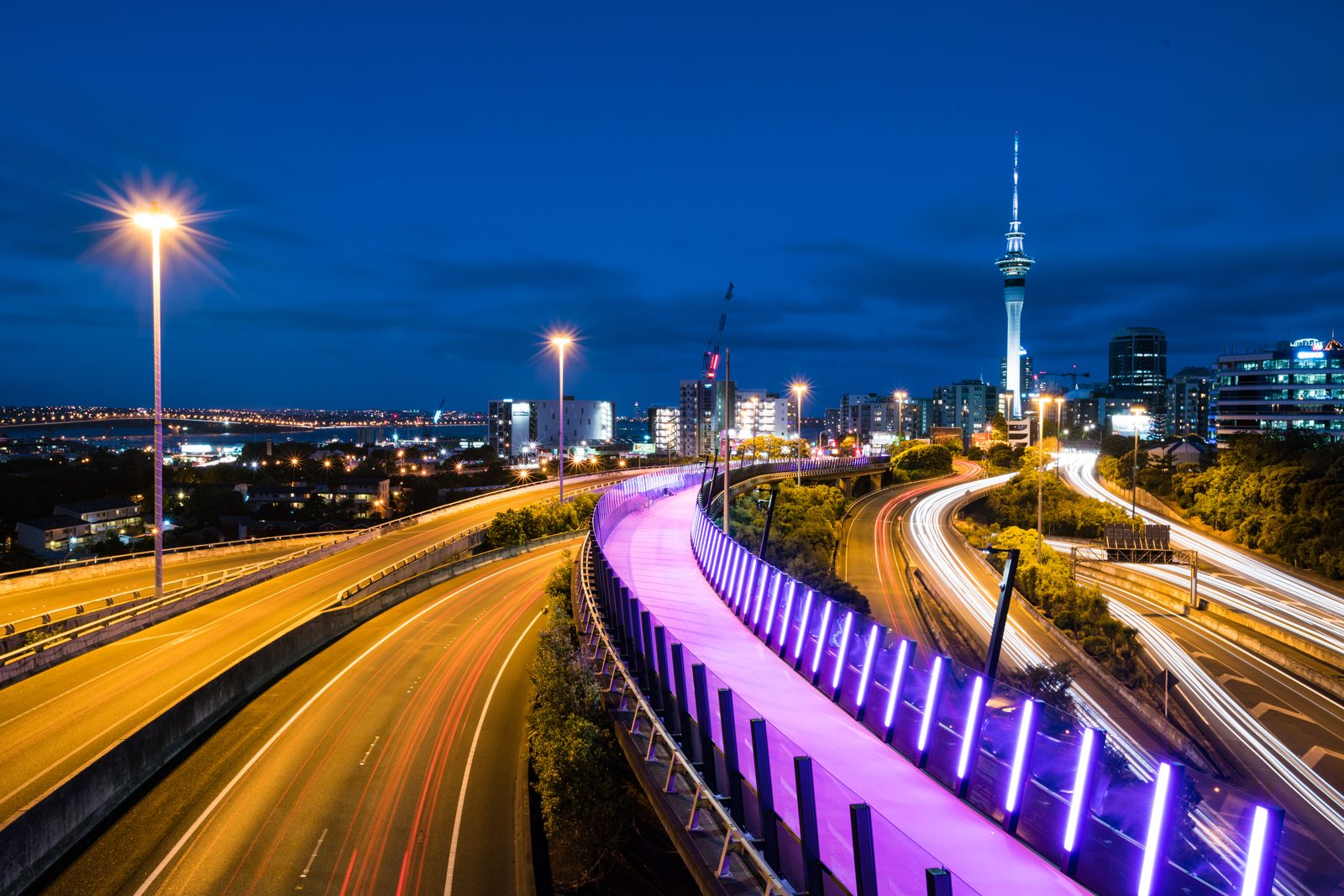
Lights out on the peninsula?
Our electricians are available for call-outs 24 hours a day, 7 days a week. Call 021 156 4005, or send the details and we will get back to you.
Other services for Point Chev homes
House rewiring
Partial and full rewires for interwar bungalows, 1930s state houses and the newer homes at the end of the peninsula.Fault finding and repairs
Tripping circuits, flickering lights, dead sockets and warm plugs traced to their cause and put right.Emergency call-outs
Electricians available for call-outs 24 hours a day, 7 days a week when something electrical fails.LED and outdoor lighting
LED downlights, kitchen and living room lighting, and garden and outdoor lights for the section.Heat pump installation
Heat pumps wired in on their own circuit, with the indoor and outdoor units placed to suit the house.Shops and commercial
Electrical work for the shops and businesses along Point Chevalier Road and Great North Road.Enquiries
Contact us
Call 021 156 4005 at any hour, or tell us about the job below and we will get back to you.
021 156 4005- Auckland
- Call-outs around the clock, every day of the week